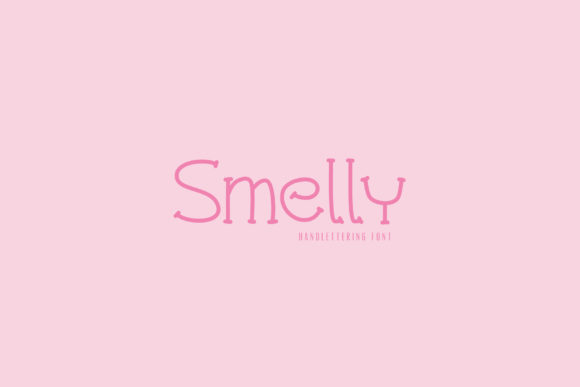
Smelly Font: A Friendly Script for Web Design
As I stared at the blank hero section of a new boutique lifestyle brand website, the standard sans-serif headlines felt too cold and corporate. The client wanted warmth, approachability, and a touch of whimsy without sacrificing professionalism. That is when I turned to Smelly, a sweet and friendly handwritten font that immediately changed the tone of the layout. Integrating this Script Handwritten typeface into the digital interface required careful consideration of spacing and hierarchy, but the result was a user experience that felt personal and inviting from the first scroll.
Testing Smelly in Hero Sections and Landing Pages
When incorporating Smelly into high-impact areas like landing page headers, the primary goal is balancing personality with clarity. This Script Handwritten style possesses a natural flow that mimics genuine handwriting, making it ideal for capturing attention in the above-the-fold area. In my recent project, I used Smelly for the main value proposition, placing it over a soft, textured background image. The unique curves and organic strokes of the Fonts created an immediate emotional connection with visitors, distinguishing the brand from competitors using rigid geometric typefaces.
However, using such a distinctive display font requires restraint. I found that Smelly works best when kept to short phrases or single sentences. Long paragraphs rendered in this script style can become difficult to scan, especially on mobile devices. By limiting its use to the headline and perhaps a sub-header, I maintained a clear visual hierarchy. The rest of the content was paired with a clean, neutral sans-serif font, allowing Smelly to shine as the star of the show without overwhelming the reader.
Enhancing Brand Identity with Natural Handwritten Styles
A strong digital brand identity relies on consistency and voice, and Smelly offers a versatile tool for expressing a friendly, human-centric personality. For online stores selling handmade goods, coaching services, or creative portfolios, this font bridges the gap between professional polish and personal touch. The description notes that Smelly is a sweet and friendly handwritten font. Its natural and unique style makes it incredibly fitting to a large pool of designs. The only limit is your imagination, which proved true when I applied it to various brand assets beyond the website itself.
I extended the use of Smelly to social media graphics and email newsletter headers, ensuring a cohesive look across all digital touchpoints. The fluidity of the Script Handwritten characters adds a layer of authenticity that resonates with audiences seeking genuine connections. Whether used for a course sales page title or a blog category header, the font infuses the design with energy and warmth. It transforms static text into a dynamic element that guides the user’s eye and encourages engagement with the content.
Readability Considerations for Mobile and Responsive Layouts
One of the biggest challenges in modern web design is ensuring that decorative Fonts remain legible on smaller screens. During the testing phase for the mobile view, I noticed that Smelly required specific adjustments to maintain readability. The intricate details of the Script Handwritten style can blur if the font size is too small or if the line height is too tight. To address this, I increased the font size significantly for mobile breakpoints and added extra padding around the text elements.
Contrast also plays a crucial role in the performance of Smelly on digital interfaces. I tested the font against both light and dark backgrounds, finding that it performed best with high-contrast combinations. On light backgrounds, a deep charcoal or navy blue provided better definition than pure black, which sometimes looked too harsh against the soft curves of the letters. When placing Smelly over images, I used subtle overlays or drop shadows to ensure the text remained distinct and accessible. These small UX tweaks ensured that the aesthetic appeal did not come at the cost of usability.
Strategic Font Pairing for Digital Interfaces
Selecting the right companion typeface is essential when working with a character-rich font like Smelly. Because Smelly is a sweet and friendly handwritten font. Its natural and unique style makes it incredibly fitting to a large pool of designs. The only limit is your imagination, it pairs beautifully with minimalist sans-serif fonts that provide structural stability. In my layout, I chose a geometric sans-serif for body copy and navigation menus, creating a balanced contrast between the organic flow of the script and the rigid order of the interface elements.
Avoid pairing Smelly with other script or highly decorative Fonts, as this can create visual clutter and confuse the user. Instead, let the Script Handwritten style serve as the accent while a neutral typeface handles the heavy lifting of information delivery. This approach works well for editorial design layouts on blogs, where long-form reading comfort is paramount. The combination creates a sophisticated yet approachable aesthetic that appeals to a wide range of users, from potential clients browsing a portfolio to customers exploring an online shop.
Licensing and Technical Implementation for Web Projects
Before finalizing any design, it is critical to verify the technical specifications and licensing terms of the Fonts you intend to use. For Smelly, I checked the available file formats to ensure compatibility with major web browsers and content management systems. Having access to webfont formats allows for seamless integration into CSS stylesheets, ensuring that the Script Handwritten beauty loads quickly and renders correctly across different devices.
Commercial font licensing is another vital consideration for client projects. Ensuring that the license covers web usage, digital ads, and potentially print materials prevents legal issues down the line. I also explored any included alternates or stylistic sets within the Smelly family, which can add variety to repetitive headings or logos. By thoroughly reviewing these technical details, designers can confidently deploy Smelly in professional environments, knowing that the font will perform reliably while delivering its intended emotional impact. The flexibility of this typeface truly supports the idea that the only limit is your imagination, provided you handle the technical foundation with care.