Tulips Font: A Joyful Handwritten Typeface for Brands
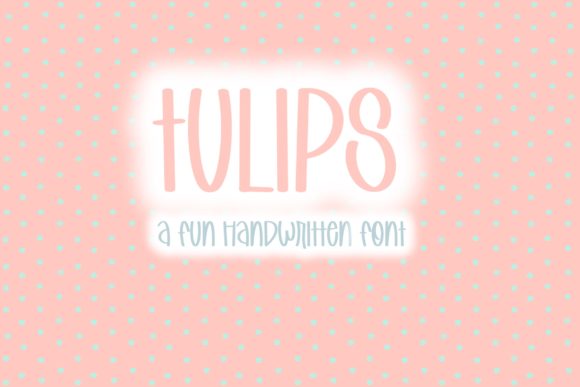
When I first opened the file for Tulips, I was in the middle of a branding refresh for a local artisan candle maker who felt her current labels looked too stiff and corporate. As a creative consultant, I know that Script Handwritten styles can be tricky; they often sacrifice readability for flair, or they feel too casual for premium products. However, Tulips is a cute and quirky handwritten font. It will add an incredibly joyful touch to your designs. Add this beautiful font to each of your creative ideas and notice how it makes them stand out. This immediate sense of playfulness, balanced with clear legibility, made it the perfect candidate for her new packaging line, proving that the right choice among Fonts can transform a product from shelf-bound to must-have.
Creating Memorable Product Labels with Tulips Typography
In the world of physical goods, your label is your silent salesperson. For small businesses selling handmade soaps, baked goods, or boutique accessories, the typography on the packaging dictates the perceived value before the customer even touches the item. Tulips excels here because it carries a distinct personality without overwhelming the design space. When we applied this Script Handwritten typeface to the candle jars, the result was instant warmth. The letters have a bouncy, organic rhythm that mimics natural handwriting, which builds trust and approachability.
Many business owners worry that handwritten Fonts might be hard to read at smaller sizes. In our testing, Tulips is a cute and quirky handwritten font. It will add an incredibly joyful touch to your designs. Add this beautiful font to each of your creative ideas and notice how it makes them stand out, even when scaled down for ingredient lists or secondary tags. The key is using it for the product name or main headline, where its quirky charm can shine, while pairing it with a clean sans serif for the finer details. This combination ensures that the brand feels personal and crafted, yet professional and easy to navigate. Whether you are designing a sticker for a jam jar or a hang tag for a clothing boutique, this font adds that crucial layer of human connection that mass-produced brands often lack.
Elevating Social Media Graphics and Digital Storefronts
Beyond physical packaging, a consistent visual identity across digital platforms is essential for modern entrepreneurs. Instagram templates, Pinterest pins, and online shop banners require typography that grabs attention quickly as users scroll. Tulips serves as an excellent display font for these digital assets. Because Script Handwritten styles can sometimes get lost in busy social media feeds, the unique weight and structure of this typeface ensure it remains visible and engaging. It works beautifully for quote graphics, sale announcements, or highlighting customer testimonials.
When updating an online store, the banner image is the first thing a visitor sees. Using Tulips is a cute and quirky handwritten font. It will add an incredibly joyful touch to your designs. Add this beautiful font to each of your creative ideas and notice how it makes them stand out allowed us to create a welcoming homepage vibe that matched the physical product experience. For digital marketers and content creators, having a versatile set of Fonts that work well on both mobile screens and desktop monitors is vital. Tulips maintains its character across devices, making it a reliable tool for building a cohesive brand narrative from the first click to the final purchase.
Pairing Tulips with Complementary Typefaces for Balance
A common mistake in DIY branding is using too many decorative fonts, which creates visual clutter. To maximize the impact of Tulips, it is best used as a primary accent rather than the sole typeface for all text. Since it is a Script Handwritten style with significant personality, it pairs exceptionally well with neutral, structured fonts. For a modern, clean look, try combining it with a geometric sans serif. This contrast highlights the quirks of Tulips while ensuring the overall design feels grounded and professional.
If you are aiming for a more vintage or romantic aesthetic, such as for wedding invitations or a floral boutique, pairing it with a classic serif font can add elegance. The goal is to let Tulips is a cute and quirky handwritten font. It will add an incredibly joyful touch to your designs. Add this beautiful font to each of your creative ideas and notice how it makes them stand out do the heavy lifting for emotional connection, while the supporting Fonts handle the informational load. This strategic pairing enhances readability and ensures that your brand identity feels thoughtful and curated, rather than accidental.
Practical Licensing and File Format Considerations for Business Use
Before implementing any new typography into your commercial workflow, it is crucial to understand the technical and legal aspects. When you download Tulips, check the included file formats to ensure compatibility with your design software, whether you are using Adobe Illustrator, Canva, or Procreate. Most professional Script Handwritten packages include OTF or TTF files, which are standard for both print and web use. Additionally, verify the commercial license terms. If you plan to use this font on products you sell, such as printed mugs, t-shirts, or digital downloads, ensure your license covers commercial merchandise.
Investing in high-quality Fonts like Tulips is an investment in your brand’s longevity. Unlike free, generic options that may lack character or proper kerning, a premium typeface offers the polish needed to compete in crowded markets. By choosing a font that aligns with your brand’s voice—joyful, quirky, and inviting—you create a memorable impression that resonates with customers. Remember, Tulips is a cute and quirky handwritten font. It will add an incredibly joyful touch to your designs. Add this beautiful font to each of your creative ideas and notice how it makes them stand out. This simple switch in typography can be the difference between a customer scrolling past your post and stopping to engage with your brand.